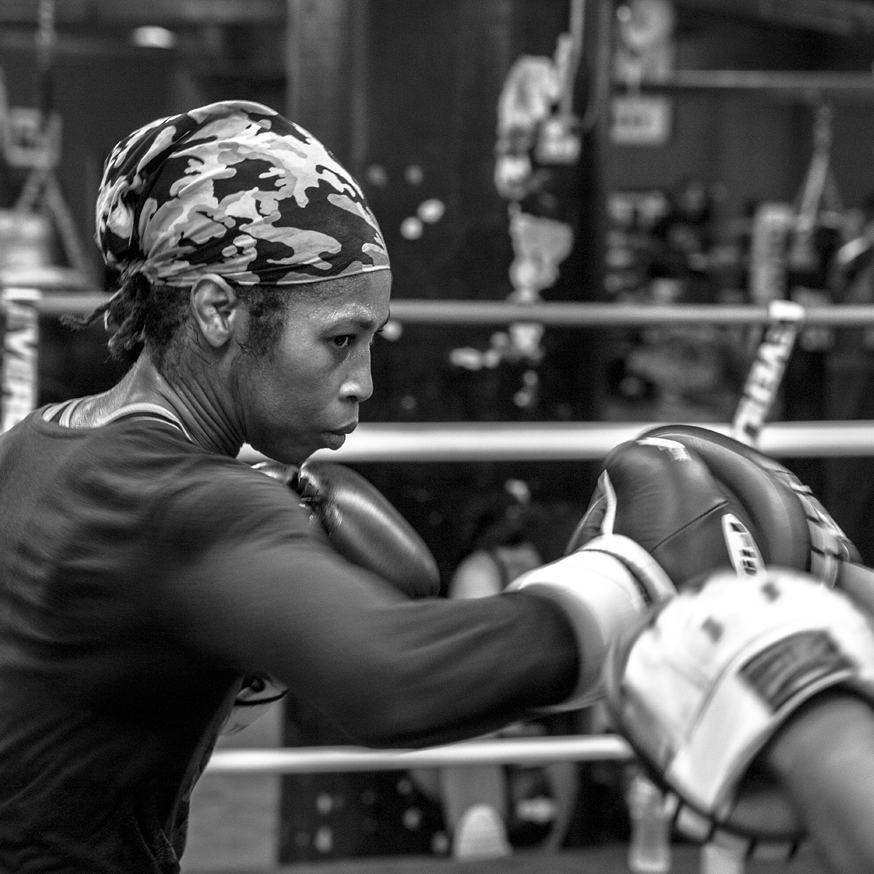
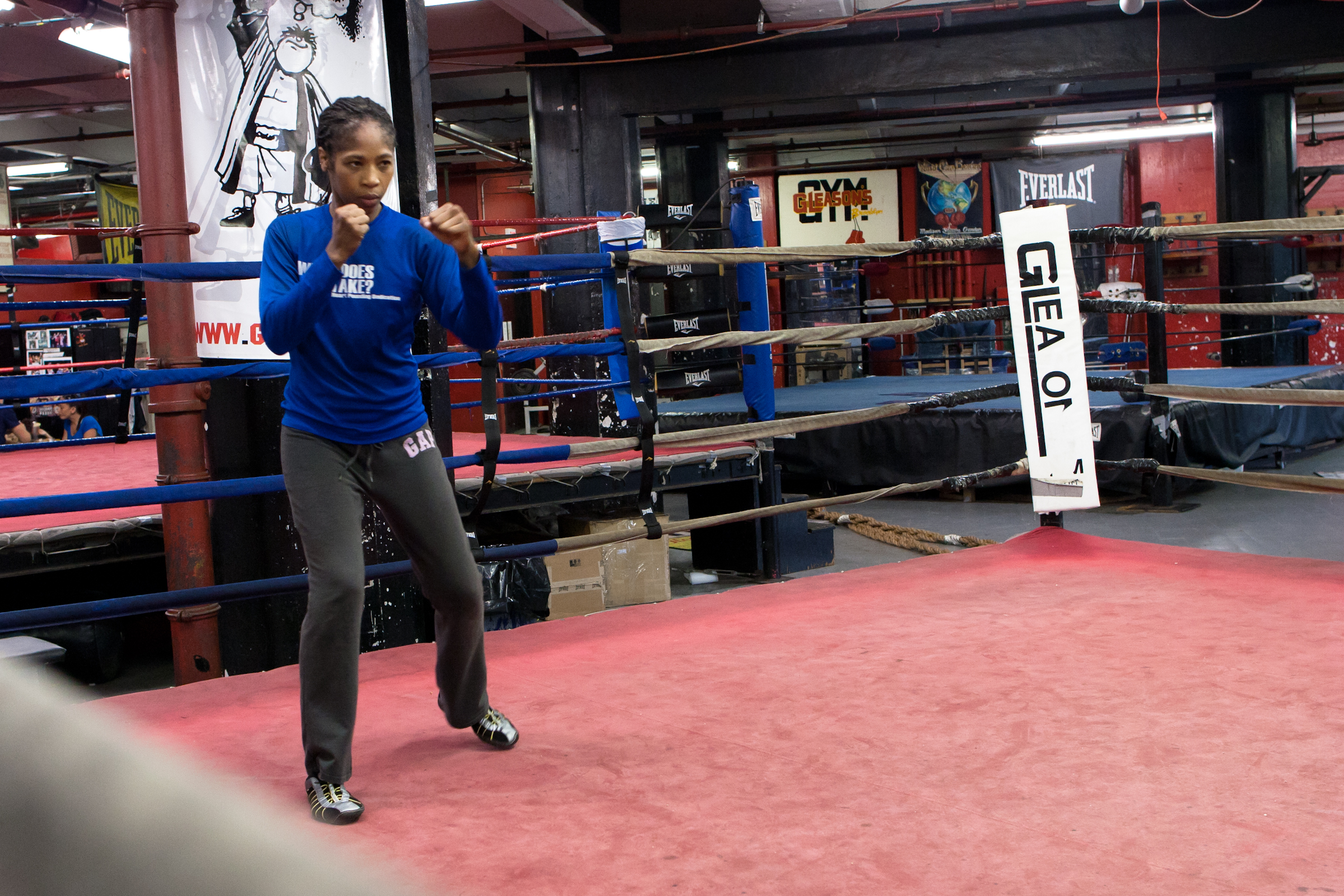
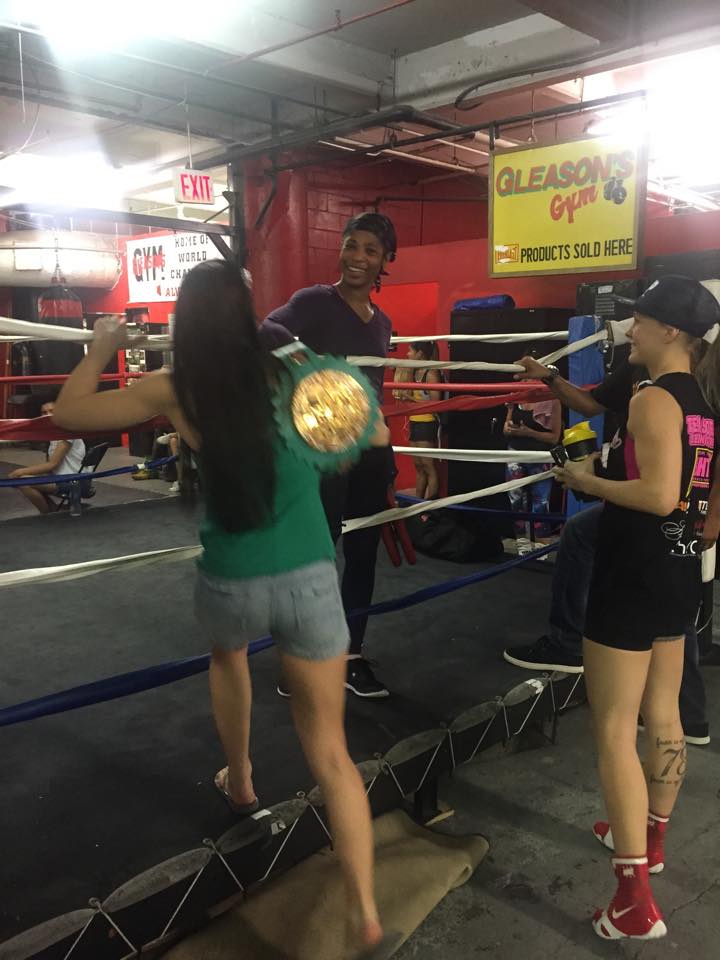
Boxer Melissa St. Vill by the “wall” at Brooklyn’s world famous Gleason’s Gym. Photo credit: Malissa Smith
Melissa St. Vil is a boxer with plans.
Her first plan is to win the UBF World Female Super Featherweight title on November 12th at Martin’s Valley Mansion in Cockeysville, MD. With her 6-1-3 record, she’ll be fighting the more experienced Jennifer Salinas(17-3-0, 4-KOs), in her backyard, but that doesn’t seem to worry St. Vil. With just seven fights to her credit, she defeated Sarah Kuhn to win the International Women’s Boxing Federation(IWBF) World Welterweight title in August of 2013. And while St. Vil has only had two fights since them (in 2014), she feels confident that she has what it takes to win.
The Royal Six boxers, Ronica Jeffrey (l) and Melissa St. Vil at the recent Breast Cancer event at Gleason’s Gym. Photo Credit: Malissa Smith
As a member of The Royal Six, a group of New York based female boxing champions (Alicia Ashley, Ronica Jeffrey, Sonya Lamonakis, Keisher “Fire” Mcleod, and Alicia Napoleon), she is actively engaged in promoting the sport, raising money for charity and helping to put together an all female boxing card in the spring.
Winning world championships and promoting female boxing arent’s her only plans. She also wants to give back. To make a place of safety and sanctuary for girls and women to overcome violence and to find a place for themselves in the world. With her infectious laugh, it is hard to imagine that St. Vil would have ever known pain or violence–but she did. As with many of us the world over, it’s the fighting back to take possession of one’s own life that is the biggest challenge.
Melissa was kind enough to take time from her training with Leon “Cat” Taylor and Juan Guzman to speak with Girlboxingreaders about her upcoming fight. We didn’t touch upon the dark stuff at all–just talked about boxing, moving on in life and her passion for the sport.
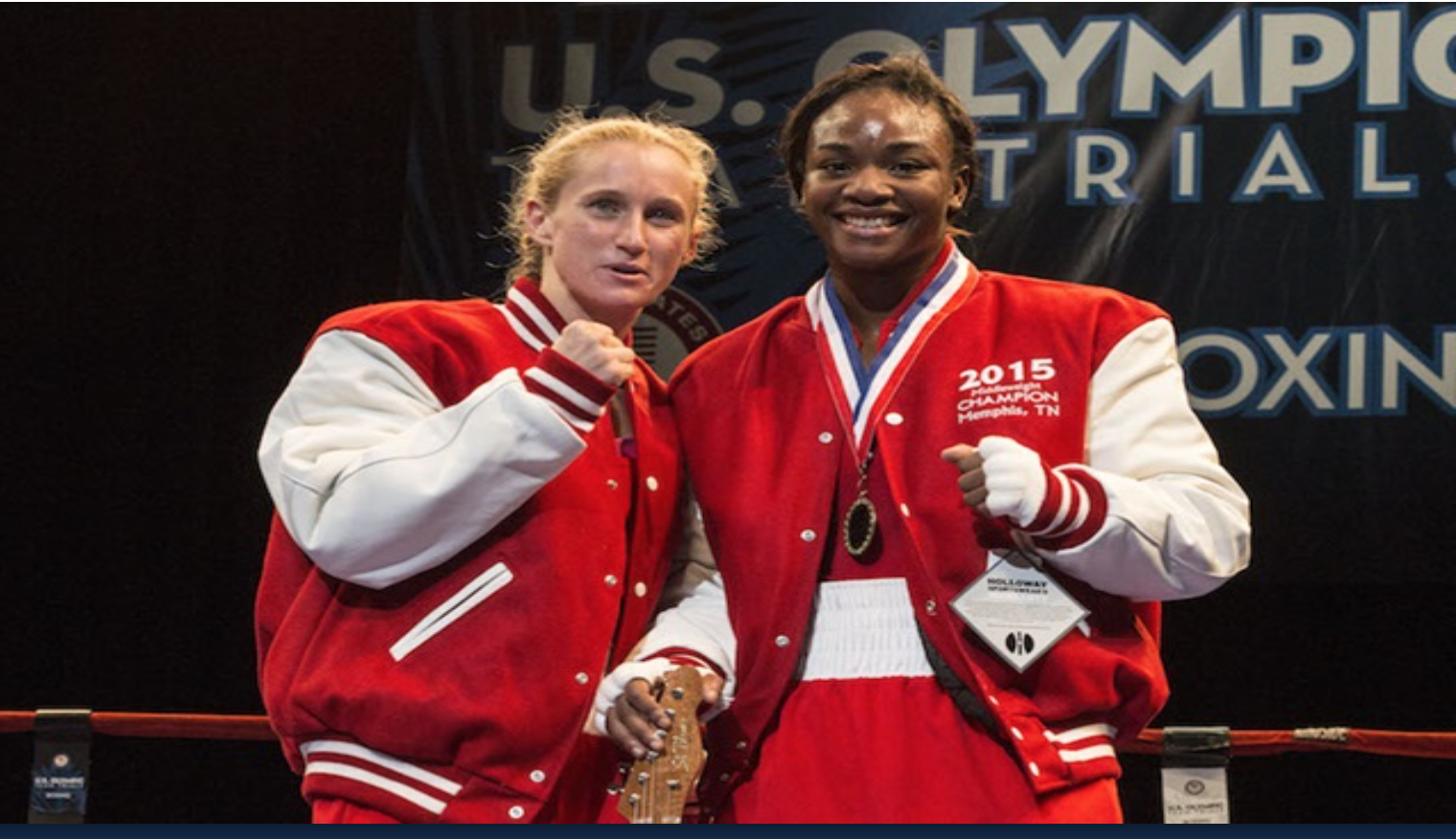
Triumphant Flyweight Virginia Fuchs (l) and Middleweight Claressa Shields have won their respective finals at the 2015 Olympic Trials in Memphis, TN. They have earned the right to compete at the Continental Olympic Qualifier in 2016 as USA Boxing Olympians. Photo Credit: USA Boxing
Flyweight contender Virginia Fuchs had her night of relentless technical execution and determination that led to the 2-1 unseating of the 2012 bronze medalist Marlen Esparza.
Reigning Olympic gold medalist in the middleweight division Claressa Shields had her 3-0 night, fending off her challenger, Tika Hemingway, who’d loudly proclaimed that she’d take it from her. Shields had other plans and after outboxing Hemingway with an impressive performance, became the United States only two-time female boxing Olympian.
Lighweight Jajaira Gonzales (l) lives to fight another day against Mikaela Mayer. The box-off is set for 4:00 PM on Sunday, November 1 at the Cook Convention Center South Hall in Memphis, TN. Photo Credit: USA Boxing
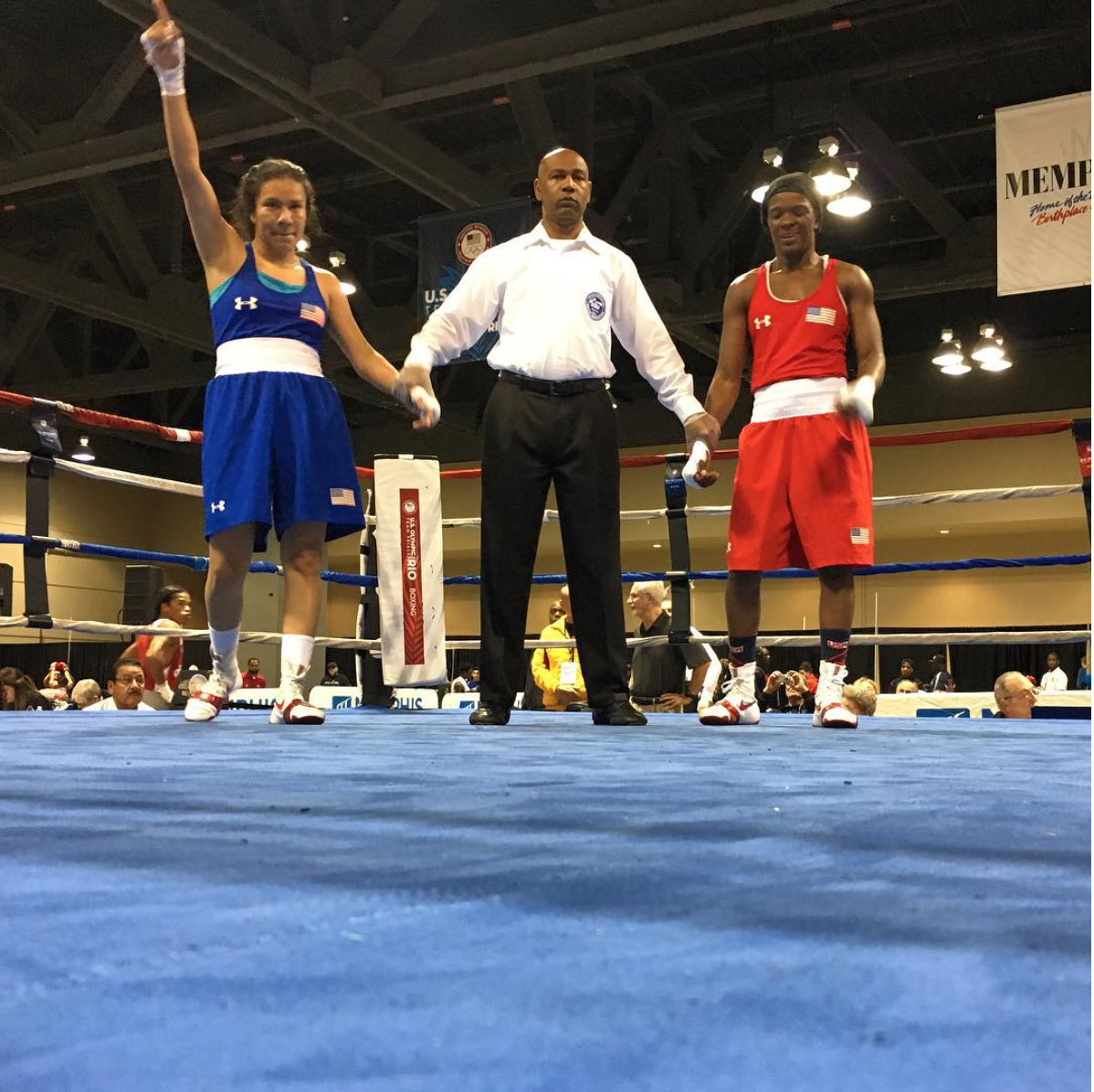
And lightweight upstart, 18-year-old Jajaira Gonzales, pushed the envelope in her win over Mikaela Mayer to make it one a piece. Today’s box-off will decide which of these two warriors will represent the United States in the Olympic qualifiers next year. Both fighters bring a lot to the contest. Mayer has strong technical abilities and with her longer reach can box tall, whereas Gonzalez brings aggression, pressure and fast hands that seem relentless. For all her youth, Gonzales has won impressive international titles readily matching Mayer’s competitive fire.
Stand ready to applaud them all!
Olympic Trials for Women’s Boxing Results 112 lbs: Virginia Fuchs, Kemah, Texas, dec Marlen Esparza, Houston, Texas, 2-1
132 lbs: Jajaira Gonzalez, Glendora, Calif., dec Mikaela Mayer*, Los Angeles, Calif., 3-0
165 lbs: Claressa Shields, Flint, Mich., dec Tika Hemingway, Brackenridge, Pa., 3-0
*This is Mikaela Mayer’s first loss. Championship box-off between Jajaira Gonzalez and Mikaela Mayer will take place at 4:00 PM on Sunday, November 1 at the Cook Convention Center South Hall.
At 18, Jajaira Gonzalez (l) defeated veteran champion Tiara Brown, for a place in the 2015 Olympic Trials finals against reigning USA National lightweight boxing champion Mikaela Mayer. Photo Credit: USA Boxing
Each of them has endured a loss.
Each of them has fought through that loss and will meet the winner of that contest in the ring on Saturday night for a chance to come away as a prospective Olympian poised to compete on the world stage for the opportunity for a final berth at the 2016 Summer Games in Rio.
Each battle for the right to fight in the finals was hard-fought and in some cases, fraught with history as veterans who have encountered each other before in the squared circle knew it was all down to what happens in four rounds of action.
Reigning Olympic flyweight bronze medalist, Marlen Esparza (r), was redeemed last night when she defeated Christina Cruz. Esparza will face Ginny Fuchs in a rematch in the Olympic Trials final. Photo credit: USA Boxing
For the reigning Olympic flyweight bronze medalist, Marlen Esparza, it meant redemption and being on a track for what seemed inevitable at the beginning of the week before she was stopped cold by Virginia Fuchs. In defeating, Christina Cruz, a fighter’s fighter who fought a brilliant outsider’s game with angles and heart, Esparza is now pumped up to rewrite the script with Fuchs and come away with what must feel like her rightful place.
In the lightweight division, the 18-year-old, punches-in-bunches phenom, Jajaira Gonzalez, who’d fought Mikaela Mayerto a 2-1 split decision in their battle, came away victorious over 2014 World Championship bronze medalist, and three-time USA Boxing National Champion, Tiara Brown. Gonzalez, a Junior and Youth World Champion, used aggression and pressure to counter Brown’s veteran technical ring savvy in carving out the 3-0 decision.
Tika Hemmingway (l) claimed victory over Raquel Miller in the middleweight division. Hemmingway will face reigning Olympic gold medalist Claressa Shields in the Olympic Trials final. Photo credit: USA Boxing
For former champion Tika Hemingway, contesting for a berth in the finals against reigning Olympic gold medalist Claressa Shields, there was an inevitability to her win over Raquel Miller, even though the battle was closely contested with a lot of back and forth in momentum and opportunities to be exploited. No matter who fights Hemingway, there are always costs. She is hard-hitting and physical in the ring–and while she’s lost once to Shields in the Olympic Trials, she’ll fight just as hard tonight for a chance to win.
Win or lose, the 24 women who have come to Memphis to fight for a place at the Olympics are each momentous in their drive, determination and skills as boxers. It is no easy feat to compete at the level of Olympians, harder still for women, and, in my estimation, hardest for female boxers who not only must seek out opportunities for support during their four-year odyssey for a place on the team, but must also endure the slights and prejudices of a wider public that rarely support women in the ring. That it has come down to the three contests tonight is miraculous, but let us not forget all of the days and nights of training and competing in rinky-dink rings with barely enough money for car fare. That USA Boxing has developed a cadre of elite fighters it supports for this go around is fantastic, but there needs to be more. More excitement, more opportunity and much, much more respect.
Watching many of these young women compete at the National Women’s Golden Gloves in July, my heart was overwhelmed by the bravery and humbleness they exhibited both in the ring and out. As a body sport, boxing teaches humility and to step inside the ropes is to exhibit physical and mental strength that is honed through thousands of hours of hard, hard work.
So whatever happens tonight, who ever winds up our Olympians, do applaud all of the women who have fought and dreamed. They deserve it.
Olympic Trials- Women’s Boxing Day 4 Challenger Results
Flyweight Christina Cruz (l) with the win over Giavonna Camacho in the challenger battle, has earned a rematch against Marlen Esparza on Friday. Both will battle for a spot in the finals against Virginia Fuchs.
With the first group of Finalists set – Virginia Fuchs (112 lbs.), Mikaela Mayer (132 lbs.), and Claressa Shields (165 lbs.) – the first challenger bracket bouts were held last night in the double-elimination Olympic Trials Tournament. The winners fight again tonight for the right to box in the finals on Saturday night.
The first of the three contenders for Friday night action is Christina Cruz(112 lbs.). Cruz is 32 years of age and will have her second shot at doing battle with 2012 Olympic Bronze medalist Marlen Esparza whose stunning loss to Ginny Fuchs has put in her the challenger bracket. Cruz lost to Esparza in the second round, but given how much she has amped up her game with her renewed focus, training and diet, she might well push through Esparza on Friday. Cruz handily defeated Giovanna Camacho for the second time to gain the right to keep on challenging for a berth in the finals.
Jajaira Gonzalez(132 lbs.), the 18-year-old who pushed hard in her battle against Mikaela Mayer in the second round only to fall in defeat, used pressure and aggression to defeat Rianna Rios 3-0. Gonzalez will face Tiara Brown, in what promises to be a terrific battle of wills between these two fighters, for the right to face Mayer in the finals.
Tika Hemingway (165 lbs.) narrowly defeated veteran Franchon Crews2-1. Both fighters had competed in the Olympic Trials in 2012. Hemingway used aggression to finally muscle through to take the contest though Crews was able to gain the momentum throughout the bout. Hemingway will take on Raquel Miller in the challenger contest for the right to fight Claressa Shields in the final.
Olympic Trials for Women’s Boxing Results
112 lbs/challengers bracket: Christina Cruz, New York, N.Y., dec. Giovanna Camacho, Colorado Springs, Colo., 3-0
Virginia Fuchs (l) with the huge upset win over Marlen Esparza to secure a spot in Saturday’s Olympic Trials Final. Esparza will have the chance to earn a challenger berth if she wins on Friday.
Talk about a big night! Flyweight boxer Virginia Fuchs, lightweight Mikaela Mayer, and middleweight Claressa Shieldseach clinched a berth in the upcoming Olympic Trials finals on Saturday night. All three have been undefeated in the tournament to date–earning them the right for a corner in the finals and two days off.
In the upset of the night, Virginia Fuchs defeated Olympic Bronze Medalist Marlen Esparza, 2-1 in a tough, tough battle. This was their fourth meeting at the championship level–with Fuchs victorious for the first time. As quoted by USA Boxing, Fuchs said, “I stopped her from getting in her rhythm. I got my space and I used my jab. My jab was the key. It feels amazing. It feels so good because this is what I’ve been working for. For the past four years, this is what I’ve been working on. This is what I came here to accomplish.”
Mikaela Mayer came up a 3-0 winner in her fifth meeting against number two seeded Tiara Brown. Each boxer had two victories against her opponent coming into the match. As quoted by USA Boxing, Mayer said, “She was coming toward me and that allowed me to use my boxing skills which is what I’m good at. That 1-2-3 was landing every time.”
Claressa Shields pulled out a flawless technical performance to defeat veteran boxer, Raquel Miller. Shields said, ““She was really patient and backed up a lot of the fight. She came forward some but I landed the cleaner, harder shots. She landed a few right hands but I kept going forward, and kept landing jabs. I landed a lot of jabs.”
In this double elimination tournament, there will be two sets of Challenger bouts to chose the other finalist for Saturday night. The first set will be Thursday, with the winner in each weight category facing Esparza, Brown and Miller on Friday.
Olympic Trials for Women’s Boxing Results
112 lbs/challengers bracket: Giovanna Camacho, Colorado Springs, Colo., dec. Amanda Pavone, Burlington, Mass., 2-0
112 lbs/challengers bracket: Christina Cruz, New York, N.Y., dec. Alex Love, Colorado Springs, Colo., 2-0
112 lbs/winners bracket: Virginia Fuchs, Kemah, Texas dec. Marlen Esparza, Houston, Texas, 2-1
132 lbs/challengers bracket: Rianna Rios, Colorado Springs, Colo., dec. Samantha Kinchen, Lexington, Ky., 2-0 tiebreaker
132 lbs/challengers bracket: Jajaira Gonzalez won on medical walkover over Amelia Moore, Millersville, Md., W/O
132 lbs/winners bracket: Mikaela Mayer, Los Angeles, Calif., dec. Tiara Brown, Fort Myers, Fla., 3-0
165 lbs/challengers bracket: Franchon Crews, Baltimore, Md., dec. Naomi Graham, Colorado Springs, Colo., 3-0
165 lbs/challengers bracket: Tika Hemingway, Brackenridge, Pa., dec. Cierra Taylor, Rochester, N.Y., 3-0
165 lbs/winners bracket: Claressa Shields, Flint, Mich., dec. Raquel Miller, San Diego, Calif., 3-0
Thursday’s Olympic Trials Bout Sheet
112 lbs/challengers bracket: Giovanna Camacho, Colorado Springs, Colo., vs. Christina Cruz, New York, N.Y.
132 lbs/challengers bracket: Rianna Rios, Colorado Springs, Colo., vs. Jajaira Gonzalez, Glendora, Calif.
165 lbs/challengers bracket: Franchon Crews, Baltimore, Md., vs. Tika Hemingway, Brackenridge, Pa.
Claressa Shields (r) takes the second round win over Tika Hemmingway in a tough, hard fought battle at the women’s boxing Olympic Trials in Memphis, TN on October 27, 2015.
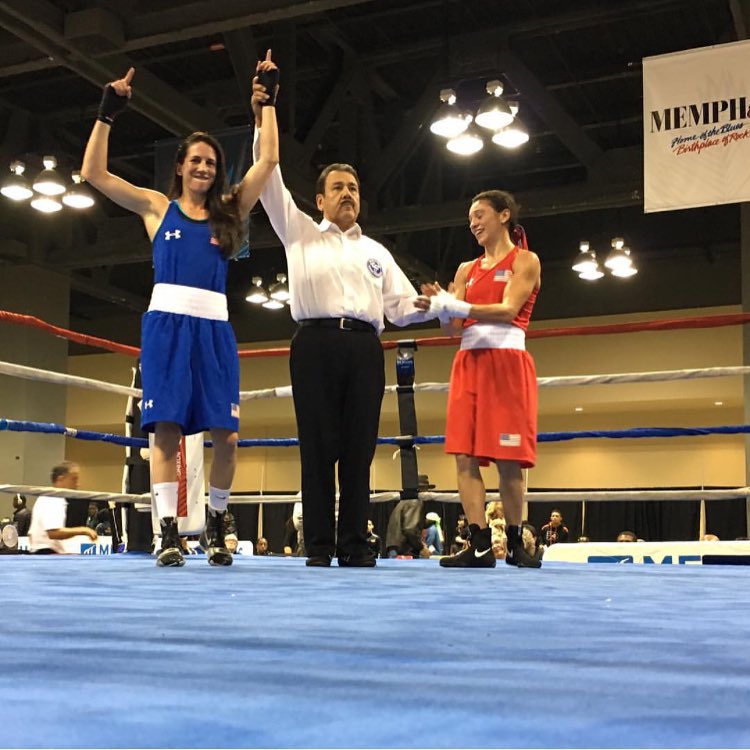
Another exciting night of results with teammates and old foes Marlen Esparza and Christina Cruz battling for supremacy in the flyweight division in a close contest that still broke 3-0 to Esparza. Other winners included Alex Love who remained in the contest by DQ when opponent Jamie Mitchellcame in overweight.
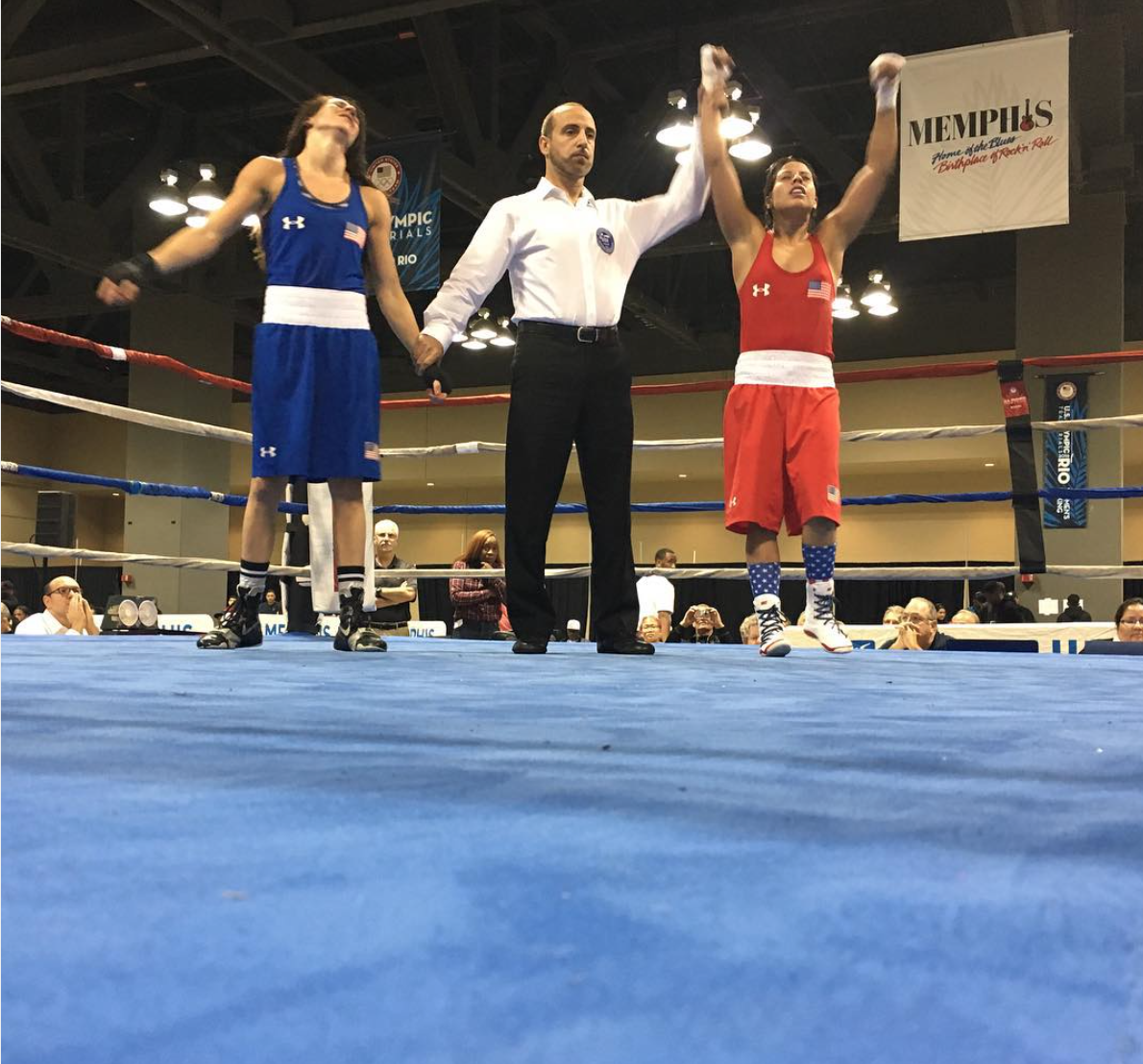
Both Tiara Brown and Mikaela Mayer won as well. Brown fought a decisive 3-0 win over Rianna Rios, while Mayer fought hard against an onslaught from Jajaira Gonzalez to take the 2-1 split decision. Brown and Mayer will fight each other tonight in third round action. Leaving the contest in the lightweight division is veteran boxer Lisa Porter. She will be missed.
In the middleweight division Claressa Shields fought a tough, hard fight against Tika Hemingway with haymakers that writer Sarah Deming (@SarahDeming), who is live tweeting the event, described as coming “all the way from Flint” to take the unanimous win. Raquel Miller defeated Franchon Crews in a split decision, as this is the HH Diva’s first loss in the contest, she has a berth in the third round.
Olympic Trials for Women’s Boxing Results 112 lbs/challengers bracket: Giovanna Camacho, Colorado Springs, Colo., dec. Melanie Costa, Norton, Mass., 3-0
112 lbs/challengers bracket: Alex Love, Colorado Springs, Colo., won on disqualification over Jamie Mitchell, Las Vegas, Nev., DQ
112 lbs/winners bracket: Marlen Esparza, Houston, Texas dec. Christina Cruz, New York, N.Y., 3-0
112 lbs/winners bracket: Virginia Fuchs, Kemah, Texas dec. Amanda Pavone, Burlington, Mass., 3-0
132 lbs/challengers bracket: Samantha Kinchen, Lexington, Ky., dec. Stalacia Leggett, San Diego, Calif., 2-1
132 lbs/challengers bracket: Amelia Moore, Millersville, Md., dec. Lisa Porter, Van Nuys, Calif., 2-1
132 lbs/winners bracket: Mikaela Mayer, Los Angeles, Calif., dec. Jajaira Gonzalez, Glendora, Calif., 2-1
132 lbs/winners bracket: Tiara Brown, Fort Myers, Fla., dec. Rianna Rios, Colorado Springs, Colo., 3-0
165 lbs/challengers bracket: Naomi Graham, Colorado Springs, Colo., dec. Danyelle Wolf, San Diego, Calif., 2-1
165 lbs/challengers bracket: Cierra Taylor, Rochester, N.Y., dec. Iesha Kenney, Alexandria, Va., 3-0
165 lbs/winners bracket: Claressa Shields, Flint, Mich., dec. Tika Hemingway, Brackenridge, Pa., 3-0
165 lbs/winners bracket: Raquel Miller, San Diego, Calif., dec. Franchon Crews, Baltimore, Md., 2-1
Tiara Brown (l) handily defeated Amelia Moore 3-0 on the opening night of the USA Boxing 2016 Female Olympic Trials in Memphis, Tn.
The Olympic Trials for the 2016 USA Boxing female boxing team got underway on in all three of the Olympic weight classes: Flyweight (112), Lightweight (132) and Middleweight (165).
As expected 2012, Olympic Gold medalist, Claressa Shields easily defeated her first round opponent, Naomi Graham, 3-0. 2012 Bronze medalist, Marlen Esparza,also won 3-0 over Melanie Costa.
In the lightweight division, current USA lightweight champion Mikaela Mayer won a split decision, 2-1 over Stalacia Leggett, and the number two seeded fighter, the always tough Tiara Brown defeated Amelia Moore decisively by the score of 3-0.
Alex Love, a tough scrappy fighter from the US Army boxing team had a tough loss to an equally scrappy Virginia Fuchs who took the split decision 2-1.
Other winners included New York City’s hometown girl, Christina Cruz who won 3-0 (112 lbs.), and in the middleweight division, a particularly strong division with a slew of tough competitors, Tika Hemingway, Franchon Crews and Raquel Miller all came away decisive winners.
Tuesday’s bouts, however, will give the women who faltered last night an opportunity to continue in their quest for a berth!
The full list results for the opening round is as follows:
Olympic Trials for Women’s Boxing Opening Round Results
112 lbs: Marlen Esparza, Houston, Texas dec. Melanie Costa, Norton, Mass., 3-0
112 lbs: Christina Cruz, New York, N.Y., dec. Giovanna Camacho, Colorado Springs, Colo., 3-0
Olympic Team Trials for Women’s Boxing – Rio 2016 !
USA Boxing Women’s Boxing Olympic Team Trials set to being on Monday, October 26, 2015 in Memphis, TN. Photo Credit: USA Boxing
The Women’s USA Boxing Olympic Team Trials to represent the United States at the Rio 2016 Olympics starts today in Memphis, TN.
The United States 2012 Flyweight Bronze Medal winner, Marlen Esparzaand the United States 2012 Middleweight Gold Medal winner, Claressa Shields will both be competing for a spot in the 2016 Games.
London 2012 Women’s Boxing Gold medal winner Claressa Shields (l) and Bronze medal winner Marlen Esparza. Photo Credit: USA Boxing
As in 2012, there will only be three weight classes: Flyweight (112 lbs.), Lightweight (132 lbs.) and Middleweight (165 lbs.). Twenty-four women spread across the three weight classes will compete:
Olympic Trials for Women’s Boxing Qualified Athletes Flyweight/112 lbs
1. Marlen Esparza, Houston, Texas (USA Boxing National Championships)*
2. Virginia Fuchs, Kemah, Texas (USA Boxing National Championships)
3. Christina Cruz, New York, N.Y. (Olympic Trials Qualifier I)
4. Amanda Pavone, Burlington, Mass. (Olympic Trials Qualifier I)
5. Alex Love, Colorado Springs, Colo. (Olympic Trials Qualifier I)
Alicia Ashley in the ring to win back her WBC Title on 10/29/2015
Alicia “Slick” Ashley remains one of the most compelling fighters in women’s boxing not only for her longevity in the sport (she fought in the first ever U.S. nationals as an amateur in the late 1990s), but in her ability to perform at the top of her game as a virtuoso of the art of boxing. And no wonder too, Ashley started her career as a dancer before embracing kickboxing and eventually the sweet science.
At 48, (yes that’s a story too), Ashley will be heading back into the ring on October 29th at Aviator Sports & Events Center in New York City (a complex located on the famed Floyd Bennett Field in Brooklyn) with a view towards reclaiming the WBC Female Super Bantamweight Titlebelt she lost, some would say controversally so, to Jackie Nava thirteen months ago in Mexico. Ashley will battle against Ireland’s Christina McMahon (7-0), a 40-year-old latercomer to the professional side of the sport who holds the current interim WBC Female Bantamweight Title. The co-main event is on a Brooklyn Brawl card promoted by Dimitry Salita.
Ashley’s career has tracked alongside the near-on tragic highs and lows of women’s boxing in the panoply of American sports television with its boom-bust cycle of support, promotion, paydays and opportunities for the talented working professionals who grace the boxing gyms of the U.S. across the country with their remarkable work ethic and love of a game that at best ignores them and at worst actively seeks to keep them off the air–and thereby out of the running for the opportunity to earn a living.
That tide of lows *may* be on a slight uptick given that CBS Sports (cable) aired the four-round Amanda Serrano v. Fatima Zarika fight on 5/29/2015 (the first such fight on the network since the late 1970s) and the very public statements by Shane Mosely castigating the boxing industry for keeping women’s boxing off the air. To prove that it wasn’t just all “mouth,” he went on to put the Maureen Shea v. Luna AvilaIBF World Female Super Bantamweight ten round title fight on his Pay Per View card on 8/29/2015 with the promise that there will be more to come–although there has been little to no discussion about it since.
For Ashley, long an advocate for equity in the sport, the potential uptick–which those of us in the game who truly advocate for women’s boxing watch as avidly as the Dow Jones–this may mean the opportunity for slightly higher pay days, but given that she is a champion four times over, she’s far from being known as Alicia “Money” Ashley, and can only earn a decent payday in places like Mexico (likely the equivalent of “Money” Mayweather‘s tips after a night out in Las Vegas). And by a slightly higher pay-day, I mean the chance to take a vacation or upgrade the equipment she uses as a boxing trainer at Gleason’s Gym where she works from early in the morning till late in the day, six days a week.
This is the life of a female boxing champion–our Bernard Hopkins, if you will, whose dancer-like poise, defensive genius and ring savvy thrills each and every time she steps into the ring.
Ahead of her championship title match, Ashley continues to labor at Gleason’s Gym where “camp” means adding in an extra couple of hours a day to spar and train in addition to working with her clients. This is not an unknown as other female boxing champions/trainers such as Heather Hardy, Shelito Vincent and Keisher “Fire” McLeod must do the same to earn enough money to compete. On the “bright side,” being a trainer means pretty much staying in condition, if not in boxing “game day” shape. Hmmm….
In between her busy schedule, Ashley took the time to respond to a Girlboxing Q & A. Here’s what she had to say:
1. You’ve got an upcoming WBC Female Superbantamweight fight on 10/29/2015 at Aviator Sports in Brooklyn, NY for the vacant title against Irish boxer Christina McMahon. Although at 41 years of age she’s only 7-0, she does have the interim WBC World Bantamweight title. What can you tell us about her and how this bout came together?
I actually don’t know that much about Christina other than her going into someone else’s back yard and winning the title. There isn’t that much video on her and I feel her record doesn’t fully speak to her experience. She, like I, joined the sport after fighting as a kickboxing champion and that in itself means she’s not new to the game. Every opponent is dangerous no matter their experience.
2. You lost the title a year ago to Jackie Nava, a fight some observers felt you may have won or at the very least fought to a draw (as one judge saw it)–with the loss coming because of how your style (you are called “Slick” for a reason) is one that the Mexican judges may not have felt showed enough to score rounds in your favor. Even with that loss, you had a TKO win over Grecia Nova two months later in Haiti–where you continued to fight in your cool “slick” manner. As you prepare to fight McMahon — what are you focusing on to ensure that the judges will see the fight your way if it goes the distance?
I can only ‘fight’ my fight. Yes, I am a slick boxer and although the desire is to never leave it in the hands of the judges, sometimes there is nothing you can do about it. I’m not known as a knockout artist but I think my style of boxing will definitely be appreciated more here in the US. It’s not just about being a hard puncher, it’s about being effective.
3. We’ve talked before about the state of women’s boxing, the frustration of finding promoters to put women’s bouts on cards, the frustration of seeing cards put together only to fall apart (as happened with this fight originally scheduled for September), the intense battle for pay equity (a losing one for certain right now), along with the continued absence of female bouts on television in America with very few exceptions. Given that Amanda Serrano appeared on CBS in late May, and Maureen Shea on Shane Mosely’s PPV card at the end of August, along with two female bouts on PBC cards on 9/11/ & 9/12 respectively, if not on television–in your view, is there any reason for optimism?
I should hope that there’s always reason for optimism, but its disappointing that in this day and age the amount of female fights broadcast can be counted on one hand. I’ve been in this business over 14yrs and am still shocked that I’m more well known in other countries. That they are more inclined to showcase female fighters than we are. This I feel is the main reason we continue to get astronomically low wages. In fact, 10 years ago when I fought for my first title I earned more than they are offering women now. How can we continue to accept way less than we are worth and then expect it to get better? This battle cannot just be fought by a few women.
4. I’ve been fortunate enough to have observed you take a wide range of male and female boxers to school sparring at Gleason’s Gym, not to mention having seen a few of your fights in person over the last few years. At 48, you are continuing not only to fight competitively, but seemingly to remain at the top of your game. Win, lose or draw on the 29th, are you of a mind to continue boxing competitively for the foreseeable future?
I continue to fight not only because I love the sport but because I do remain competitive. I can honestly say that I leave my fights and sparring without any serious damage. That is the main reason I have longevity in this sport, the ability to not get hit. Other than people being shocked at my age, which is not noticeable in or out of the ring, I’m not battle weary in any way.
5. You are an inspiration to female boxers and have developed into a phenomenal trainer and coach. Do you see yourself pushing on that front to start seeking out professional women to train and take into that aspect of the sport–or will you continue to focus on women new to the sport or pushing their way into the amateurs?
Thank you. I feel its important to pass on any knowledge that I have and am very honored at the women, amateurs or professionals, who seek me out and are accepting of it. The one thing that I’ve been working on is doing a female fight seminar. This is more about being able to break down fighting styles, picking up the nuances of a technique and being able to adjust accordingly. Quite a few females that I’ve sparred, especially in round robin, are surprised at how well I can adjust to the different styles and I believe experience with seeing the ‘bigger picture’ is an important tool to the trade. Anything that I can do to elevate women’s boxing, I will.
6. What do you tell your young female fighters who may want to enter the sport professionally? Or put another way, is there a future for them to seek out?
I’m hoping that with each new generation of female fighters that there is some kind of progress in the right direction. I try to be realistic with my fighters and they are not clueless. Most, if not all the female fighters, have a full time job and don’t expect to break the bank as a professional. What we are hoping is to at least be able to live comfortably and at this point very, very few women can attest to that.
7. You always talked about boxing as performance–if you do decide to wind down the competitive aspects of your career in the sport do you see other avenues for expressing art in the public realm?
It’s very hard for me to look past boxing right now. It was the same with dance. I had no other avenues mapped out before I was injured and its the same now. I’m currently teaching the sport so I essentially I already am in that new chapter.
8. I look upon you in awe sometimes as a professional fighter, body artist–because to tell you the truth that how it appears in your case–and talent when it comes to coaching and mentoring. What does it all feel like as you perform in those roles and as you look to embark on yet another performance on the 29th? In other words, what is that is motivating you to express yourself so strongly and with such power in the ring?
I’m in awe myself when people express such respect or inform me that I’m an inspiration to them. As you know, I always equate my boxing as a performance and its my duty to entertain and captivate the audience for 20 minutes. Attention span is so short nowadays that its a challenge in itself to keep people mesmerized and that is all the motivation I need.
Alicia Ashley versus Jackie Nava … you be the judge.
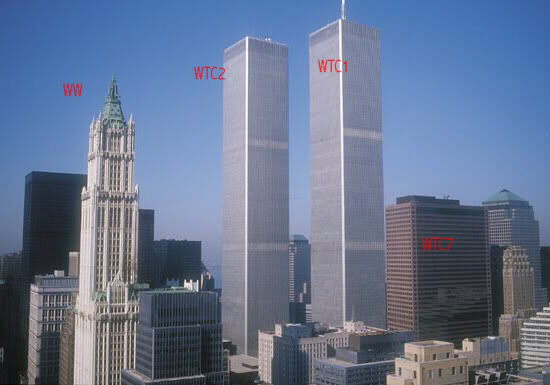
My office was at the Woolworth Building then and the Towers were my backyard. A place I’d run to to catch the subway, dart into a Children’s Place to pick up little things for my daughter, or to peruse the aisles at BordersBookstore.
Early that summer, I took my team to lunch at Windows on the World at the top of the North Tower (Building One).
It was a languid lunch, with one of our number who’d moved on coming in to meet with us. We sat by a window looking east towards Brooklyn, marveling at the view, the company, and the chance to take a break during the day.
I think of this because when I walk along Fulton Street heading to or from my new office on Gold Street, I am always surprised by the absence of the Twin Towers.
Perhaps I’ll get used to it one day and even catch site of it without a sharp intake of breath as a measurement of the loss I still feel.
But even if each and every sight of it for the rest of my life causes a momentary pause, I’ll also always remember the joy and wonder of Phillipe Petit walking between the Towers on his tight rope.
That and my lunch with the Imagine crew sustains me when I otherwise expect to see the view that never ceased to captivate me–nor burn an ember in my heart by its absence.
Six Women’s Boxing Champions at Gleason’s Gym: (l to r) Melissa St. Vil, Fire McLeod, Heather Hardy, Ronica Jeffries, Susie Ramadan, Alicia Ashley. Photo credit: Hosking Promotions
Women’s boxing has garnered a fair amount of press in the United States of late from the split-draw IBF Female Super Bantamweight title fight between Maureen “The Real Million Dollar Baby” Shea(24-2-1) and Luna “La Cobrita” Avila (12-2-1) on Shane Mosely’s Pay Per View extravaganza, to the announcement that Holly “The Preacher’s Daughter” Holm (33-2-3) will fight UFC’s reigning WMMA champion Ronda Rousey in November on the UFC193 card in Melbourne, Australia.
Action will also be heating up in September with a series of bouts featuring East Coast professional female boxers including the return of Alicia “Slick” Ashley (22-10-1) in a WBC Female Superbantamweight title fight on September 15th, Shelito Vincent (14-0) in an 8-rounder at Foxwoods Casino on September 12th (with the top of the card broadcast on NBC), Ronica Jeffrey (13-1) in a 6-rounder on September 11th, and Amanda Serrano in a 6-rounder on September 10th.
Added to that mix will be Australian boxer “Shotgun”Shannon O’Connell (11-3) making her North American boxing debut in Toronto against Canadian fighter Sandy “Lil Tyson” Tsagouris.The two will battle in an 8-rounder on the undercard of a PBC/Spike TVcard headed by the Adonis Stevenson v. Tommy KarpencyWBC World light heavyweight title fight.
Ahead of her fight, Shannon O’Connell along with two-time world champion Susie Q. Ramadan (23-3) have embarked on a tour of the U.S. with their trainers, promoter Lynden Hosking of Hosking Promotions and U.S. advisor, Eddie Montalvo. The tour has led the two fighters to New York City, and the world-famous Gleason’s Gym where both women had the opportunity to meet with the likes of Keisher “Fire” McLeod,Ronica Jeffries, Melissa St. Vil, Alicia Ashley, and Heather Hardy–a veritable who’s who of women’s boxing champions.
Girlboxing had a chance to meet and talk with O’Connell, Ramadan, promoter Hosking and Heather Hardy who sparred Ramadan for three tough hard-fought rounds. While the interviews were brief, the sentiment expressed was one of optimism for the sport over all and most importantly of the need for connection and support among the fighters as they battle for recognition and opportunities to practice their art.
Ever the optimist, the longer view of women in boxing
Heather “The Heat” Hardy (13-0) fights Renata Domsodi (12-6) on 8/1 at the Barclay’s Center on PBC’s Daniel Santos v. Paulie Malignaggi card.
My day job has me pretty busy these days, but it hasn’t stopped me from coming to the gym upwards of three days a week—working as hard as a 60+ girlboxer can to learn to slip my trainer’s straight rights and hooks and gain more savvy in the ring.
“Damn” is about all I can say about those unseen punches, but I have been moving a heck of a lot more in the twelve-foot squared circle we spar in, which has given me my latest “eureka” moment when it comes to boxing, and after four tough rounds last Saturday I thought, “so that’s what it means to set up punches.”
It’s the “seeing more” that got me thinking and the idea that stepping back while in the pocket of engagement, gives anyone of us the opportunity to place ourselves in the grander scheme of things.
So too with women’s boxing.
If we step back for a moment, we can see enormous shifts.
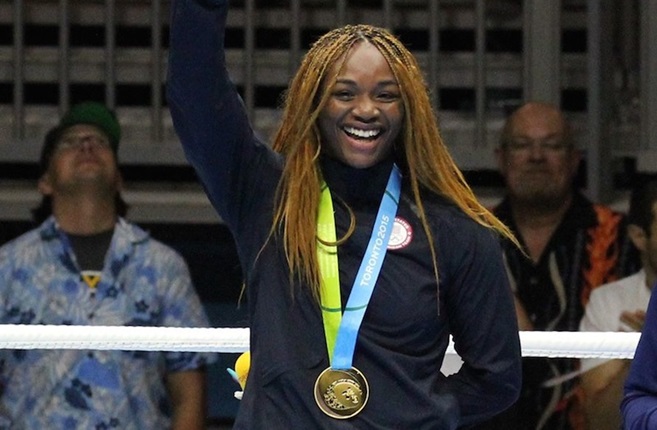
The amateur game has never been better in the United States and globally, with young girls entering the sport as young as seven and eight, and contesting it with remarkable prowess right on through the Elite women, such as 2012 Gold Medalist Claressa Shields, who on the heals of her stunning performances at the 2015 Pan American Games, where she won gold, will contest the sport with vigor alongside her brilliant boxing sisters in the 2016 Rio Games.
On the professional side, the view form the United States may seem bleak, but the excitement of the sport in places such as Argentina where Canada’s Jelena Mrdjenovich (35-9-1) is putting her WBC world female featherweight title on the line against the other Matthysee, Edith Soledad Matthysse (13-7-1) as the main event on top flight card in Buenos Aires, gives hope of opportunities to come.
There’s also a main event bout in Brandenberg, Germany tonight between SuperFeatherweights Ramona Kuehne (22-1) and Doris Koehler (12-13-2), a WIBA World Minimum Weight title fight in South Korea between titleholder Ji Hyun Park (21-2) and Gretchen Abaniel (15-7), and a main event ten-rounder between Esmeralda Moreno (30-701) and Jessica Nery Plata (15-0) in Michoacán de Ocampo, Mexico.
In the United States Heather “The Heat” Hardy (13-0) will be facing Renata Domsodi (12-6) in an eight rounder on the Danny Garcia v. Paulie Malignaggi card to be fought at Brooklyn’s premiere boxing venue, Barclay’s Center. This will be Hardy’s third appearance on a major card at Barclay’s and while once again, her fight will not be broadcast, she is creating momentum in the sport and along with the able work of her promoter Lou DiBella, is on the precipice of being televised rather sooner than later.
Most recently in late May, world champion Amanda “The Real Deal” Serrano (24-1-1) appeared on CBS Sports in a six-rounder against FautimaZarika Kangethe (24-11-2), the first female bout to appear on the network since the late 1970s. That is pretty heady stuff, and despite the sense that the sport continues to decline in the US, I’m feeling rather more optimistic.
The fact that Elite amateur boxing star and Olympic gold medal winner Katie Taylor will appear on boxer Andy Lee’s fight card on September 19th is also a step forward—especially since Andy has been such a vocal supporter of the sport and of Taylor’s importance to female athletics not only in their native Ireland, but around the world. He’s also a very visible fighter in the US and his recent statements in support of Taylor and women in the sport against his upcoming oppenent Billy Joe Saunders’ rather sexist remarks have gotten a lot of play here.
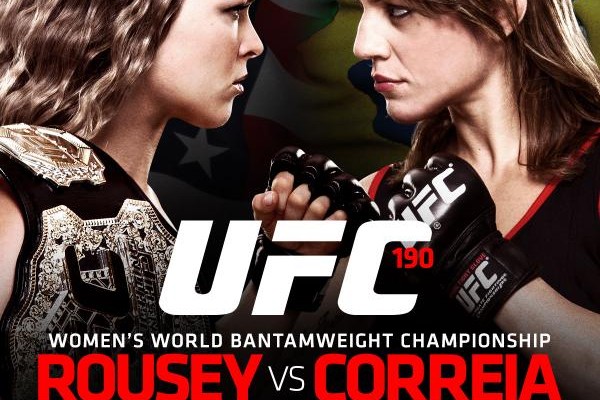
In the United States, the phenomenal success and incredible skill of Ronda Rousey (who fights on the UFC 190 PPV main event tonight) have firmly placed women’s MMA in the spotlight. Boxing stars such as Holly Holm are finding success crossing over into the the sport and in doing so are putting female boxers in the spotlight.
While I have my theories as to why women’s boxing died on the vine vis-à-vis the media in the middle oughts (a piece for another day), women never stopped entering the ring—which has meant the sport has continued to improve by leaps and bounds.
The women of the ring circa 2015, are faster, stronger, better trained and perhaps even more motivated than their sisters who fought 19 years ago when Christy Martingraced the cover of Sports Illustrated.
Christy Martin, April 15, 1996, Photo Credit: Brian Smith
Is there a lot wrong with the sport?
Yes.
Inequity, lousy pay (if any), and a PROFOUND lack of respect.
Still, women box, and continue to claim their rightfulplace in the ring!
There’s a school of thought that considers the use of the word “girl” to describe a female over the age of nine as somehow degrading to her womanhood. The thinking goes that ascribing “girlness” consigns women to a perpetual child-like state of existence—and certainly, as someone old enough to have had a job in 1971, I do remember being one of the “girls” in the back (not to mention having experienced one of the oldest clichés about working in an office: being chased around a desk … literally.)
What I also remember, however, is being a girl, and feeling my own power as I ran like the wind, or punched a pinkie ball in the schoolyard over the head of the kid on second base. In those days it was just a classmate named Frances and me among the girls, who could actually do that. This was circa 1963-1966, when my own girlness meant wearing white knock-off Keds sneakers, beige jeans and a stripped T-shirt.
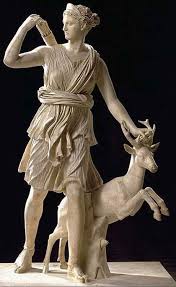
I could wander through my range on the Lower East Side (in the pre-East Village days) that took me roughly from 14th Street as far east as the East River Park, through Tompkin’s Square Park down to 4th Street and Avenue B and up over to Second Avenue and 12th Street. Sure, there were streets I wouldn’t walk down and creeps I would avoid, but mostly I felt invincible. I was, in one sense, a sort of Artemis in training with none of the knowledge that being “fleet of foot” and self-assured in my girlness was in the greatest of Greco-Roman traditions that reached back further than Homer, or that as a girl in Sparta I could have wrestled or boxed in competitions with the boys.
In thinking about girlness now, I feel an almost evangelical sense of connection. And as I unpack the feeling, what I come up with a sense of self that is stripped away from the trappings of gender as an expression of sexuality that seems to always add so much bloody noise to the conversation about women; or in other words, the thing about the breasts. Yep, the twin charms—the two lovelies that get strapped in and down or puffed and up or whatever configuration is necessary to meet whatever that perfect standard happens to be in whatever orbit those twins charms are circulating in.
Ever try buying a bra for 12 year old? It is a frightening experience. Please explain to my why a size 30AA needs to be hot pink, lacy and pushup! Unless the occupant of that contraption is anorexic or REALLY tiny, the only possible person it could fit is a girl, yes, a girl, aged between 10 and 13. So … what’s up with that??
Watching women and girls fight over the last few days at the Women’s National Golden Gloves in Florida, I have marveled at how much of that “girl” spirit is imbued in the strength, prowess and lightness of foot in the athletes ranging in age from 11 to 49 who have competed so far. There is also no sense that the athletes are fighting like “girls” in the pejorative sense.
Iman James, amateur boxer, Brooklyn, NY
The best of these athletes are fighting with the technical skills and ring savvy that marks them as boxers demonstrating complete fluidity of movement, improvisational talent and perfect execution. And when some of these athletes go on to compete in upcoming Olympic qualifiers in their weight classes they will reach back to the spirit of Artemis in whose name games were held through out the Greek world.
If the “skirts” controversy proceeding the 2012 Games has died down–for those who may not remember, AIBA, the governing international boxing organization had pushed for female boxers to wear skirts instead of shorts in the ring because some people couldn’t figure out if they were boys or girls–the continuing effort to sexualize female athletes, however, remains a constant in athletics, including boxing.
More insidious is how much we inculcate such notions. One fighter I know readying for her novice championship bout last night remarked that she couldn’t wear her makeup. “I’m borrowing Jenn’s headgear,” she said, “I promised her I wouldn’t wear it if I had makeup on.”
“Even when you fight?” I asked.
“I always wear makeup,” she said.
Somewhere in the 1970s I remember eschewing makeup and its trappings as a feminist statement of sorts—though I was far from a bra-burner, and in fact, did little by way of movement work. Fast-forwarding another twenty years I was less rigid about it, and did indeed have a pedicure before coming down to Florida for the tournament and have been wearing a hint shadow on my eyelids with faint eyeliner color for years.
Still the notion that an athlete would feel the necessity to wear face makeup during a fight—when goodness knows one sweats on one’s sweat—struck me as a “drink the Kool-Aid” kind of moment wherein one so inculcates a construct as to go beyond all sense.
There is no question that as social beings we are very much defined by the cultures we find ourselves in. Still, there are “languages” of culture that transcend our tribal/national/religious forms into a more global form. Sport and athletics are certainly transcendent cultural pathways with agreed upon rules and formats. Some specify for gender differences and some do not—and most, though far from all (think Olympic Beach Volleyball)—do not overtly sexualize gender.
It is also, in my view, one of the places where that sense of girlness asserts itself along with the street dancing moves of female dancers on this year’s So You Think You Can Dance that capture the boundless sense of possibility perfectly.
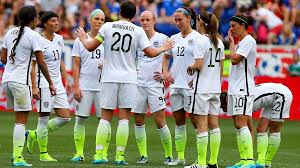
If the Canyon of Heros tickertape Parade for the triumphant 2015 USA Women’s Soccer Team is any indication, our spirit of Artemis is alive and well, we just haven’t named it, why not just try for owning the word girl.
Three-minute rounds for female boxing in New York State
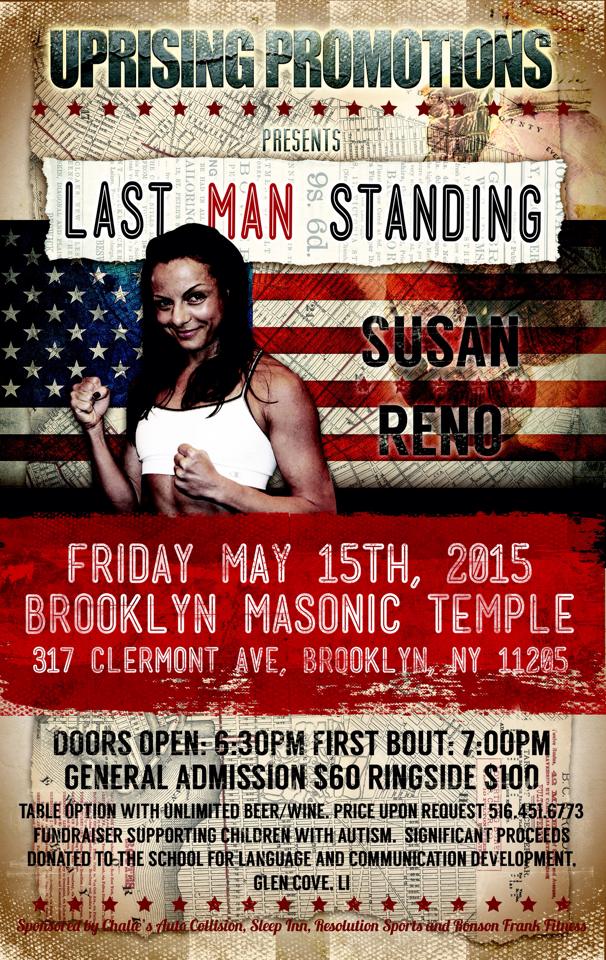
When Susan Reno (1-3-2) and Paola “La Loba” Ortiz (0-5-1) step into the ring at Brooklyn’s storied Masonic Temple on May 15th, they’ll be doing something no other female fighters in a sanctioned New York State bout have done before, they’ll be contesting their battle using the three-minutes per round they’re trained to fight, not the two-minute versions they’ve been consigned to.
A smattering of states quietly sanctioned three-minute rounds over the years. In California, current IBO heavyweight champion Sonya Lamonakis fought six hard three-minute rounds in 2013 against the current WBC champion Martha Salazar. While a surprise to Lamonakis, who’d expected the bout to be fought at two-minutes per round, in a recent conversation as she readies for her championship battle against Gwendolyn O’Neil in St. Maartin on May 30th, she said, “Well I’m all for it. I did it already for six rounds in California. I think it may even make the women more elite.”
Of all the states, however, Nevada has led the way in sanctioning three-minute round female bouts. Most notably, beginning in 2007, the Boxing Commission worked with pound-for-pound women’s boxing great Layla McCarter to not only sanction longer rounds, but twelve round championship bouts. In the late 1970s, there were also more than a few boxing matches that were contested at three minutes per round, and even a couple of fifteen round championship bouts, but otherwise, women’s boxing has long been relegated to near on amateur status when it comes to professional fighting: two-minutes per round with a maximum of ten rounds for a championship fight.
The issue of three-minute rounds has been a crucible for women’s boxing, and lies at the heart of legitimizing the hard work and effort that goes into professional boxing contests between female fighters including such matters as television time and the pay checks female boxers receive, which are paltry compared to their male counterparts. The “joke” is that women are told they receive less pay because they only fight two-minute rounds! It is also part of a continuing argument on issues of female stamina and even whether the monthly menstrual cycle affects the ability of women to fight longer. The latter was part of the argument used by the World Boxing Council (WBC) sanctioning body, which in supporting championship belts for women, has also waded into the fray by stating they would only sanction two-minute round, ten round bouts for women.
Alicia “Slick” Ashley, a former WBC champion has been outspoken on the three-minute round issues. In her experience, she’s, “felt the pressure to perform quicker because of the two-minute time limit which of course is better suited for volume punchers but as a boxer I’ve learned to adjust and started my fights off faster.”
She also argues that, “MMA had the foresight to have women on an even footing immediately is something that powers behind boxing never had,” and goes on to say, “How can you say women cannot box three-minute rounds when MMA proves that women can fight five-minute rounds? Hopefully MMA will help open the eyes of the boxing world. We as female fighters can only keep pushing for change or at least the option of fighting for three minutes.”
When asked about New York State’s decision to sanction three-minute rounds, she said, “I’m very happy that NYS had the option of women fighting three-minute rounds if both parties agree. The fact that the Commission understands that women can and will fight longer if given the opportunity is a step in the right direction to competition and hopefully pay equality.”
Boxing trainers also agree that holding women to two-minute rounds is arbitrary at best. Veteran Lennox Blackmoore who has been training female champions since the late 1990s including Jill “the Zion Lion” Mathews the first woman to win a New York Daily News Golden Gloves contest in 1996 said, “I think that’s great. When a woman trains, she trains three minutes a round like anybody else. I don’t see why she shouldn’t fight that way. There are a lot of good women boxers, and it’ll show people what they can do. Jill Mathews fought ten rounds for a championship belt, but it could have three-minute rounds too, she had the experience and the endurance to do that because she trained that way.”
Grant Seligson, a trainer at Gleason’s Gym who works with an array of female fighters from White Collar boxers on through competitive fighters agrees. “Women’s endurance is not only as good as a man’s, but is often better. Besides it’s women competing against women of the same weight, so why shouldn’t it be three minutes a round.”
Given the momentum of women’s MMA with its five-minute rounds–the same for male and female fighters–, and the obvious appeal female boxers continue to have with audiences even given the virtual media blackout in the United States, the fact that the NYS Boxing Commission has opened things up is something to be applauded.
To learn more about how this all came about, boxer Susan Reno agreed to take time from her busy training schedule to detail her experiences with Girlboxing readers. We all owe a lot to the New York State Boxing Commission’s, Melvina Lathan and David Berlin, along with Susan Reno, Paola Ortiz and Uprising Promotions for what will be an historic event on May 15th.
Paola “La Loba” Ortiz (l) and Susan Reno (r) will fight the first sanctioned 3-minute per round female bout in New York State on May 15, 2015 at Brooklyn Masonic Temple. Credit: Susan Reno
In the world of women’s boxing, 3-minute rounds have been the “Holy Grail”? How in the world did you convince the NYS Boxing Commission to sanction 3-minute rounds for your upcoming six-rounder with Paola Ortiz?
There was very little convincing! It just took time. I feel New York has seen female boxers demonstrate time and time again, that we belong in the ring and know what we are doing. In 2013 Vanessa Greco and I fought a fast-paced, six round draw. After witnessing our action packed bout, NYSAC Chairperson, Melvina Lathan and long-time NY Promoter Bob Duffy both agreed that it was time for women to fight three-minute rounds. Not only are we capable, but we are entertaining and the longer rounds could help avoid draws.
The opportunity did not present itself until this year (I had only fought in California in 2014). In a conversation with NYSAC Executive Director, David Berlin, he wondered out loud “why don’t women fight three-minute rounds?” I jumped on that thought and said, “I’ll do it!” He too, recognized women have the skill, stamina and focus to fight the same amount of time as the men. His response was “let’s make history!”
I was unaware that there had not been a female boxing match consisting of three-minute rounds in New York. I knew that both Melissa Hernandez and Belinda Laracuente had both fought Layla McCarter in Vegas and their bouts were three-minute rounds. I definitely wanted to seize the opportunity and follow in their footsteps.
My team, Ronson Frank/Uprising Promotions and Paola Ortiz’s camp all agreed to the three-minute rounds and the Commission approved and as the saying goes, “the rest is history.”
WBC has come out to say they would not sanction 3-minute round female boxing championships citing what many have considered to be specious “science.” What do you feel the response should be from female fighters?
I respect the WBC’s decision to not sanction three-minute rounds. They run a business and every business has to protect itself. I love your phrase “specious science” Malissa! There is no shortage of it on the internet! I can understand a company’s struggle with “inconclusive” or “cloudy” data. Maybe when the question regarding three-minute rounds came up, the answers where not ones they were ready for. From a business standpoint the question is to invest (sanction 3 minute rounds) or not invest? While I respect their decision, I don’t have to agree with it. I feel female fighter’s response should be to invest in our ourselves. Take the best possible care of ourselves physically and mentally and get in the ring and prove them wrong!
Every woman I know who boxes (myself included) trains and spars for three-minute rounds, but when it comes to fights, has had to adjust to two-minute rounds competitively. How does that affect your fight plan?
I feel the adjustment from training three-minute rounds to fighting two-minute rounds applies unnecessary pressure to “get the job done.” I know many women who can pace out and box the two-minute rounds. World Champion Alicia Ashley does it beautifully and consistently. But many times, the two minutes can create more of a battle than a boxing match. While this can be exciting and fan friendly, it can be difficult to set traps for your opponent and catch them before the bell rings. I imagine the short rounds can make judging difficult as well.
With a three-minute round fight, what adjustments to your fighting style do you feel you will make–or, is this the “natural” way to fight, since it’s the way you train, and the adjustments have come in the two-minute round battles?
I have proven time and time again that I can fight. Now it’s time to box and I feel I will be more comfortable knowing I have more than 120 seconds at a time to hunt, trap and catch my prey.
Now that NY State has sanctified a three-minute fight, what do you think the future will hold?
I feel this fight will open the door to all of the talented and dedicated female fighters in New York as well as those (such as my opponent Paola Ortiz) who are hungry to prove our worth in the business of boxing. Boxing is a business. I understand that. One excuse women are given in regard to our fight purse, is that we fight shorter rounds. Some promoters say that since we fight less time, that equals less pay. So I say, let’s fight the same amount of time and take away that rationale. I recognize that what I can do in boxing right now, can benefit women in the future. It is my hope that in the near future, professional female boxers can get on TV, gain recognition and get paid for their work same as professional male boxers. I believe fighting three-minute rounds will help level the playing field and create equal business opportunities.
Having spent a goodly amount of my early childhood laid up with one illness or another–including bouts of Measles, Chicken Pox, German Measles (Rubella), Mumps, not to mention continuous weeks and weeks of fever, swollen glands, strep throat, oh and a positive TB test that still means I need to get a chest X-ray every ten years or so–the notion that a few vaccinations could spare my blessedly healthy daughter weeks of that sort of misery was a no-brainer.
Okay. Perhaps there was a bit of a selfish motivation as well. Did I really want to sit up night after night nursing a highly contagious sick child who could “take a turn” and end up hospitalized or worse?
Reading the Little House On The Prairie series and the Betsy and Tacy books to my daughter reminded me of what the pre-vaccination/pre-antibiotic world was really like for small kids. In both series, siblings and friends of the main characters died rather uncerimoniously of Measles and Whooping Cough, Maleria or other infections, or spent part of their childhood in iron lungs or other contraptions to help limbs withered by Polio. Coming to those parts of the stories, I wanted to skip over them to spare my daughter the pain of what those losses meant in a much more precarious world than the privileged one of early 21st century America.
I didn’t though. I plowed through and explained that the world of those books was the world of places scattered throughout Asia, Africa and South America. Places where diseases, long controlled here and in other industrialized (post-industrialized) nations, represent mere glimmers of our collective past.
It puts me in mind that one of the negatives of privilege and its uglier cousin, entitlement, is the ability to forget that the niceties we all have access to are built on the work, toil and pain of others.
Sure. I can understand that for some people, such things as vaccination can bring about frightful consequences, but for those for whom it will not, don’t we owe it to those few who truly cannot take the risk to endure the “stick” and any momentary discomfort for ourselves and our kids?
And whether it’s measles today or some other forgotten horror tomorrow–maybe we should all have a bit of a group think about what it means to be a member of a community where we all pitch in for the greater good. Just sayin’.






















 Girlboxing